Stables & Equine Therapy Center
The Stables & Equine Therapy Center is a dedicated district of the STX Resilience Campus where animal-assisted therapy, vocational skill-building, and agricultural integration converge. Horses are not a decorative feature of the project; they are a core component of trauma recovery, workforce development, and the long-term resilience mission for St. Croix.
This page describes the stables explicitly through the lens of the campus’ Five Pillars: Humanitarian Impact, Local Workforce Development, Scalable & Replicable Model, Integrated Economic Self-Sufficiency, and Operational Resilience.
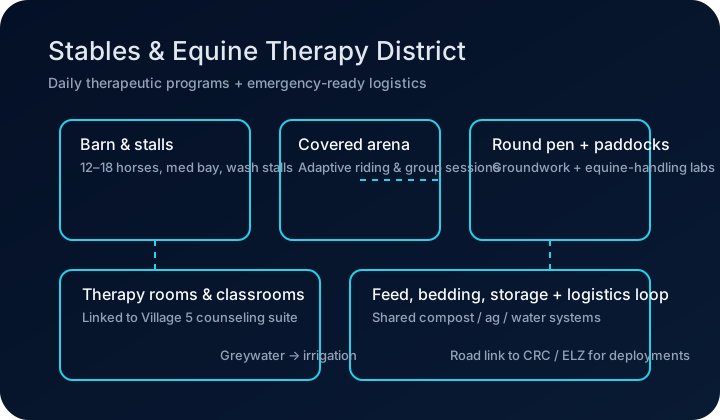
Equine District Snapshot
Pillar 1 – Humanitarian Impact
The equine program is designed as a direct humanitarian resource for veterans, their families, and—in carefully structured ways—the broader St. Croix community.
- Trauma-Informed Equine Therapy: Horses provide a non-judgmental, responsive presence that supports veterans dealing with PTSD, moral injury, anxiety, and depression.
- Structured Therapeutic Programs: Sessions are led or supervised by licensed behavioral-health professionals working alongside trained equine specialists.
- Family-Focused Healing: Activities are designed to include spouses, children, and caregivers, reinforcing family bonds during recovery.
- Safe, Predictable Environment: The layout of the stables minimizes sensory overload, with calm zones, consistent routines, and clear circulation paths.
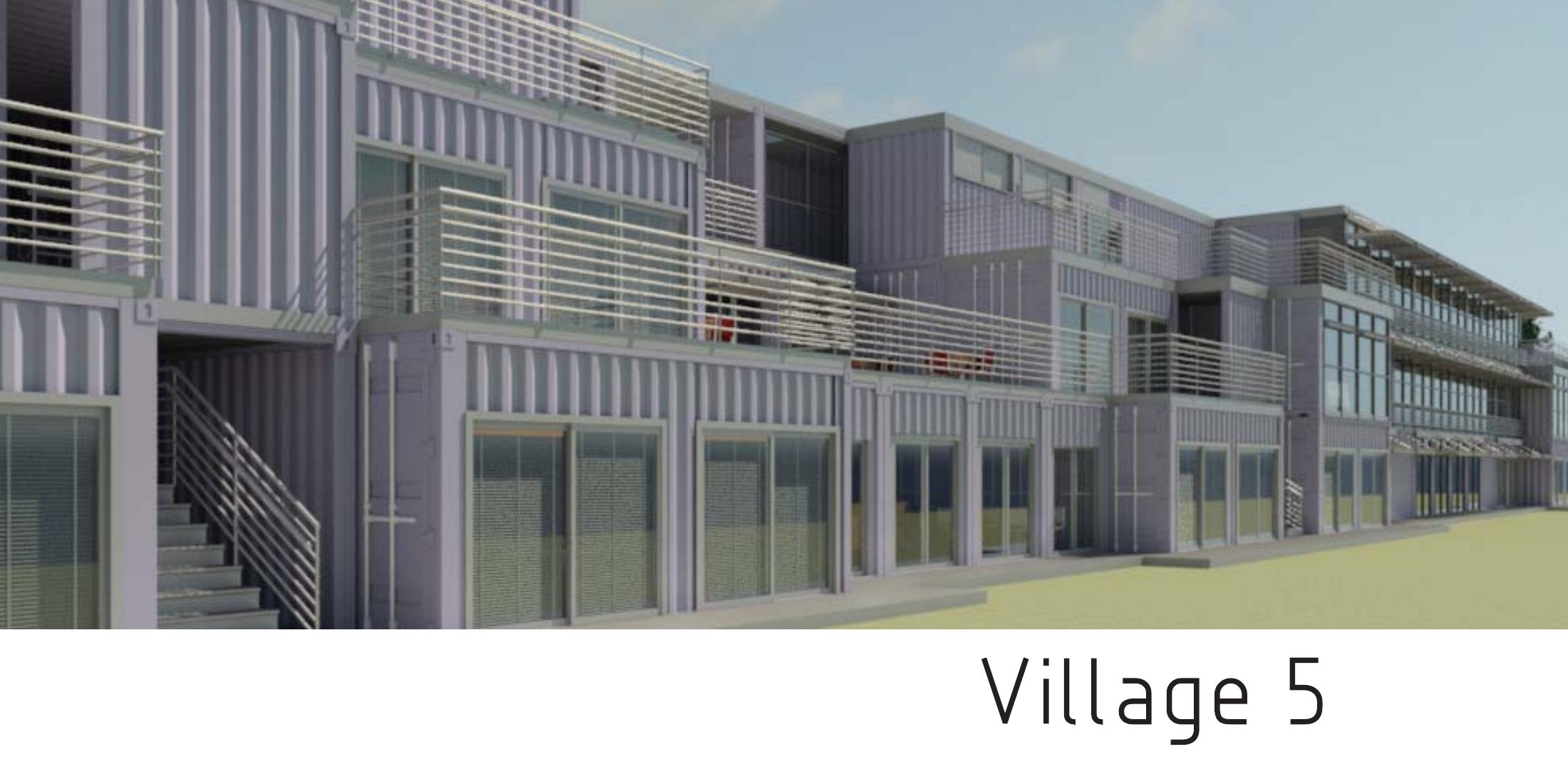
- Integration with Behavioral Health Services: Equine sessions are coordinated with Village 5 counseling, group work, and individualized care plans.
In practice, the Stables & Equine Therapy Center becomes one of the most tangible, day-to-day expressions of the campus’ humanitarian commitment to veterans and their families.
Pillar 2 – Local Workforce Development
The stables are also a workforce-development engine, providing tangible, marketable skills in animal care, facilities management, and agriculture-adjacent roles.
- Equine Care Training: Grooming, feeding, stall management, hoof care support, and health monitoring for horses and other animals.
- Stable Operations & Logistics: Scheduling, feed inventory, bedding management, manure handling, and coordination with veterinary services.
- Facility Maintenance: Fencing, barn structure upkeep, pasture rotation, and safety inspections.
- Behavioral-Health Adjacent Skills: Supporting therapists and equine specialists during sessions, learning how care environments are structured for trauma recovery.
- Pathways to Local Employment: Skills gained at the campus can translate into roles in agriculture, tourism, equine centers, animal welfare organizations, and related fields.
Veterans and local residents can build résumés, references, and real-world experience that transfers to St. Croix’s broader economy.
Pillar 3 – Scalable & Replicable Model
The equine component of the campus is intentionally designed as a template that can be adapted to other locations and budgets.
- Modular Facility Design: Core elements—barn, paddocks, round pen, therapy arena, feed storage, and tack rooms—can be scaled up or down depending on available land and funding.
- Documented Program Protocols: Intake procedures, safety rules, therapy session structures, and daily routines can be documented and shared with partner sites.
- Flexible Animal Mix: While horses are the central focus, the model can integrate donkeys, goats, or other farm animals depending on local culture, climate, and therapeutic needs.
- Replicable Training Curriculum: Workforce-development modules around animal care, barn management, and safety can be reused in future campuses or partner programs.
- Adaptable to Different Climates: While this site is designed for St. Croix’s wind and heat conditions, the underlying layout and program design can be retuned for other regions.
The goal is not a one-off “showpiece” stable. It is a model that can be documented, studied, and replicated as future Vetted Patriots campuses are developed.
Pillar 4 – Integrated Economic Self-Sufficiency
The Stables & Equine Therapy Center is tied to the broader financial and operational model of the campus. While therapeutic services remain mission-driven, the facility is designed to contribute to long-term economic stability in responsible ways.
- Program Sponsorships & Grants: Specific equine-therapy tracks can be supported by philanthropic partners, corporate sponsors, or targeted grants.
- Veteran-Focused Programming: Core services for veterans remain non-commercial and mission-centered, supported by the overall campus funding structure.
- Limited Public or Partner Access: Carefully managed programs for local partners, schools, or organizations may generate modest revenue while preserving the primary mission.
- Synergy with Agriculture: Shared feed, bedding, and compost systems reduce operating costs and create efficiency across agriculture and stables districts.
- Event Integration: Select campus visitors, donors, or educational groups may be introduced to the equine program as part of tours or resilience-education events.
This approach ensures the stables remain aligned with the humanitarian mission while participating in the broader economic logic of the campus.
Pillar 5 – Operational Resilience
The stables are deeply integrated into the campus’ physical resilience framework, particularly around water, power, and storm protection.
- Storm-Hardened Structures: Barns, shelters, and storage areas are built with hurricane-resilient materials, anchoring, and wind-aware layouts.
- Secure Animal Shelter-in-Place: Horses and other animals can be safely contained during storms with minimal risk from debris and floodwater.
- Integrated Water Access: Shared water infrastructure ensures that, in extended outages, animals continue to have access to fresh water without compromising human needs.
- Feed & Bedding Reserves: Storage is sized for multi-day or multi-week disruption of normal supply chains.
- Post-Storm Assessment & Mobility: Horses can be used, where appropriate and safe, in limited perimeter checks or movement across terrain where vehicles are temporarily restricted.
Even under extreme conditions, the stables are designed to remain functional, safe, and aligned with the campus’ broader disaster-response capacity.
Physical Layout & Adjacencies
The Stables & Equine Therapy Center is intentionally located near:
- Agricultural fields and orchards for shared resource use.
- Water and wastewater systems for efficient infrastructure connections.
- Village 5 and CRC for easy therapeutic access and daily programming.
This placement minimizes travel time, simplifies logistics, and reinforces the integration of animals, land, and human services.
Stables Within the $130M (Phase 1) Campus Plan
Within the overall capital and operating model, the stables represent a targeted, high-impact investment that advances each of the campus’ Five Pillars:
- Humanitarian Impact: Direct trauma-informed support for veterans and families.
- Local Workforce Development: Real skills with real employment potential.
- Scalable & Replicable Model: A documented template for future campuses.
- Integrated Economic Self-Sufficiency: Cost-sharing, sponsorships, and program synergies.
- Operational Resilience: Storm-hardened, integrated animal-care capacity.
As a result, the Stables & Equine Therapy Center is not a “nice-to-have” feature. It is an operational, therapeutic, and symbolic anchor of the STX Resilience Campus.
Equine Therapy District Concepts